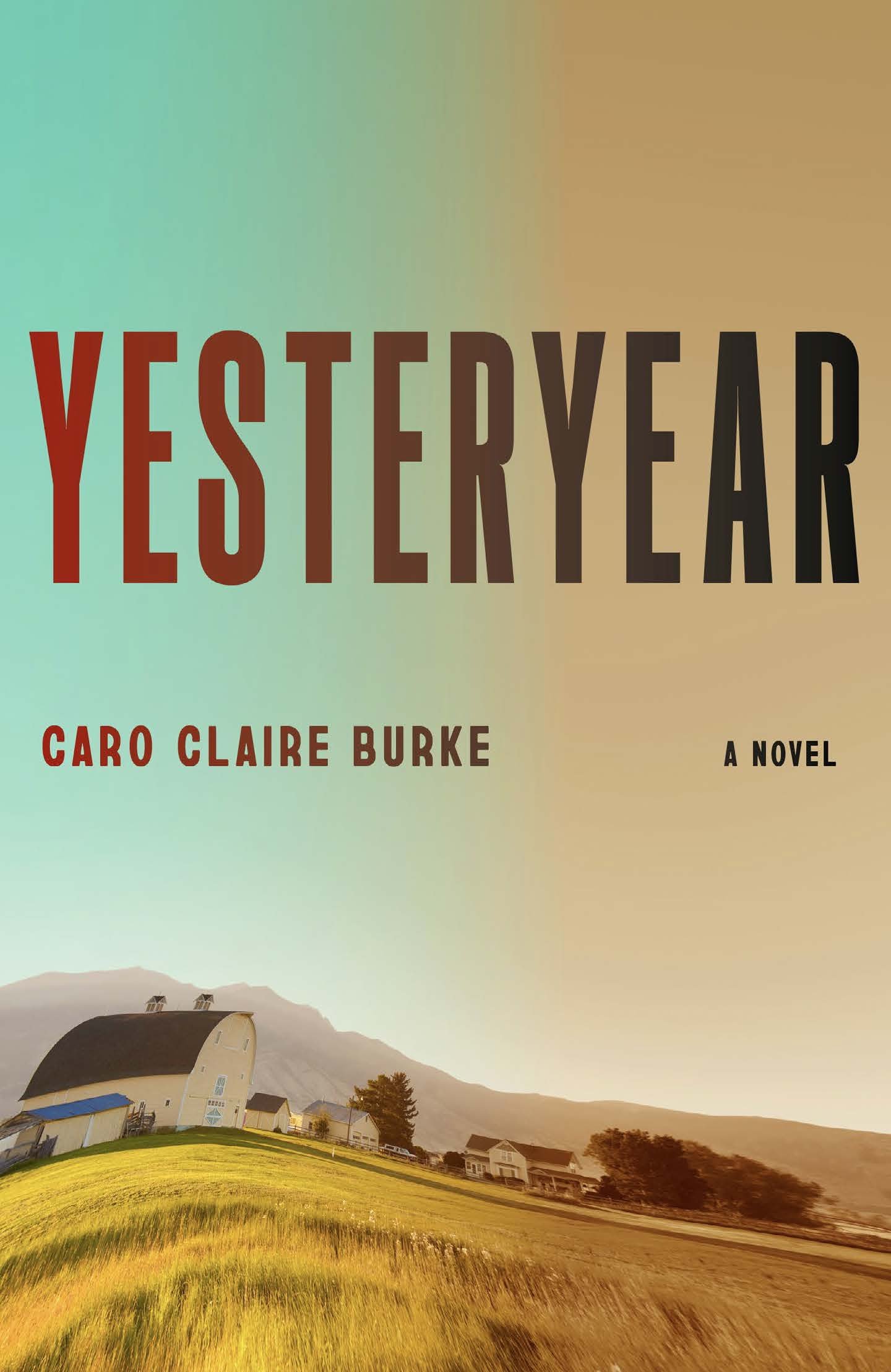
Yesteryear (2026)
In the world of contemporary fiction, few novels have sparked as much immediate debate as Caro Claire Burke’s debut, Yesteryear. Published in early 2026, the novel arrived at the perfect cultural moment. It is a psychological thriller covered in a historical nightmare, serving as a sharp-edged mirror to the digital age.
Table of Contents
ToggleDetailed Plot Summary
The story centers on Natalie Heller Mills, a woman who has turned her life into a high-revenue digital brand. Operating from a sprawling, meticulously curated ranch in Idaho—aptly named Yesteryear—Natalie serves as a beacon for millions of followers seeking an escape from the chaos of modern life. She promotes a lifestyle of “slow living,” characterized by 19th-century domesticity: churning butter by hand, wearing linen dresses, and advocating for a return to traditional gender roles. However, behind the lens, Natalie’s life is powered by high-speed Wi-Fi, a team of invisible assistants, and the very technology she claims to despise.
The narrative takes a surreal and terrifying turn when Natalie wakes up one morning to find the “performance” has become permanent. The ranch’s modern hidden luxuries have vanished. She finds herself transported to the actual year 1805. There are no cameras, no followers to validate her struggles, and most importantly, no “hacks” for the brutal reality of frontier survival.
The novel follows her desperate attempt to navigate this primitive world using only the performative skills she learned as an influencer. As she faces genuine hunger, disease, and the crushing weight of real manual labor, the story shifts from a satire of internet culture into a harrowing survivalist drama. The climax hinges on a devastating realization: Natalie is so addicted to being “seen” that even in a world without technology, she continues to perform for an audience that no longer exists, leading to a psychological breakdown that blurs the lines between her two realities.
Critical Analysis of Yesteryear
From a literary perspective, Yesteryear is a sophisticated critique of Modernity vs. Tradition. It uses the setting of the 19th century to dismantle the “aesthetic” movement currently dominating social media.
The Satire of the “Tradwife” Movement: Burke brilliantly exposes the hypocrisy of modern traditionalism. The novel argues that the “past” Natalie sells to her followers is a consumerist fantasy. By thrusting the protagonist into the real 1805, Burke highlights the privilege required to find “simplicity” beautiful. In the 19th century, domesticity wasn’t a choice or an aesthetic; it was a grueling, life-threatening necessity.
The Digital Panopticon: A major theme is the psychological impact of constant surveillance. Natalie suffers from what critics call “Internalized Audience.” Even when she is miles away from another human being in the wilderness, she poses. She thinks in captions. This suggests that social media has fundamentally altered the human psyche, creating a version of “self” that can only exist through the gaze of others. Burke’s exploration of fragmented identity is a classic trope of Postmodernism. you may find the details on the above given postmodernism link.
Temporal Conflict and Irony: The irony of the novel lies in Natalie’s inability to adapt. She knows the history of the period but none of the skills. She knows what a pioneer woman should look like in a photograph, but she doesn’t know how to survive a winter. This serves as a broader metaphor for our current generation: we have more information than ever before, but less practical connection to the physical world.
Character Study: Natalie as the Modern Antiheroine
Natalie is a fascinating character because she is deeply unsympathetic yet undeniably relatable. She is the ultimate unreliable narrator. Through her eyes, we see the world as a series of “shots” and “moments.” Her narcissism is her armor; it’s what allowed her to build an empire, but it’s also what makes her dangerously unfit for a world that requires community and humility. Her descent into madness in the final chapters serves as a cautionary tale about the dangers of losing one’s identity to a digital avatar.
About the Author: Caro Claire Burke
If you want to understand why Yesteryear feels so hauntingly real, you have to look at the woman behind the pen. Caro Claire Burke is a novelist and cultural critic who became a viral sensation long before her book hit the shelves.
A Voice from the ‘Digital Trenches’
Unlike many authors who observe social media from a distance, Burke is deeply embedded in it. She gained a massive following on TikTok by providing sharp, bitingly funny, and deeply researched commentary on “tradwife” culture and the performance of modern womanhood. Her ability to “scratch the itch” of the cultural zeitgeist is what makes her writing so perceptive—she isn’t just making fun of influencers; she is analyzing the systems of power, capitalism, and patriarchy that make their lifestyle so appealing to millions.
Her Journey to the Page
Burke’s path to becoming a novelist is as modern as her subject matter:
Education: She received her Master of Fine Arts (MFA) from the prestigious Bennington Writing Seminars, giving her the technical “chops” to back up her cultural takes.
The Podcast: She is the co-host of the popular politics and culture podcast Diabolical Lies, where she dissects everything from “Lady Idiot Island” to the “womanosphere.”
The Big Break: After years of writing fiction on the side while working a corporate startup job, she woke up one morning with the full synopsis for Yesteryear. The book was so buzzy that Amazon MGM Studios snapped up the film rights before it was even published, with Anne Hathaway signed on to star and produce.
Writing Style: Satire with a Heart
Critics often compare Burke to literary giants like Margaret Atwood (The Handmaid’s Tale) or Ira Levin (The Stepford Wives). Her writing style is described as “wickedly entertaining” and “unapologetically political.” She has a gift for creating “heroines you love to hate”—characters like Natalie Mills who are selfish and conceited, yet so human that you can’t look away.
Quick Facts for Your Notes:
Based in: Charlottesville, Virginia.
Key Themes: Authenticity vs. Performance, the Panopticon of Social Media, and the myths of traditional femininity.
Notable Achievement: Yesteryear was a GMA (Good Morning America) Book Club Pick for April 2026.
Check out our latest academic resources:

“Welcome to EngLiteratureGuru. I am a dedicated and experienced University Lecturer, done my MS in English Literature with distinction, a literary scholar with a mission to simplify the world’s greatest English classics for students and enthusiasts. From the intricate verses of Modern Poetry to the dramatic depth of Shakespearean tragedies like Hamlet, I provide expert analysis, historical context, and exam-ready insights. My goal is to help you bridge the gap between reading a text and truly mastering its meaning.”